
Keep Rolling: Care That Keeps Your Tiny Home Road‑Ready
Today we dive into mobile tiny house maintenance for full‑time travelers, sharing practices that keep rigs nimble, safe, and comfortable across changing climates and endless miles. Expect practical checklists, road‑tested fixes, and stories from real journeys. Share your questions, subscribe for fresh field notes, and tell us where you’re headed next so we can tailor future guidance to the routes, terrains, and weather you actually face on the road.
A Preventive Maintenance Roadmap You Can Trust
Seasonal and Mileage‑Based Check Cycles
Marry seasons to mileage so service never depends on memory alone. Every 1,000 miles, torque lugs and inspect tires. At 3,000, grease bearings and scan brake components. With each weather shift, refresh sealant and test detectors. This steady rhythm prevents drift, adapts to diverse climates, and turns maintenance from emergency reaction into confident preparation that protects both your home and travel plans.
Daily and Weekly Rituals on the Move
Short rituals prevent long delays. Before rolling, walk the rig: verify hitch height, safety pins, chains, breakaway switch, lights, and tire pressures. At fuel stops, put a hand on hubs, watching for heat. Weekly, scan roof seams, undercarriage, and storage compartments. Small habits stack into certainty, helping you spot a tiny drip, loose strap, or hairline crack long before it becomes a trip‑ruining roadside scramble.
Maintenance Log, Toolkit, and Spares Strategy
Document issues and intervals in a cloud note shared across devices, attach photos, and tag mileage, weather, and location. Carry calibrated torque wrenches, dielectric grease, spare fuses, bulbs, belts, hoses, sealant, tape, and critical fasteners matched to your build. Label bins by system for quick retrieval. Clear records plus the right tools transform anxiety into capability when a storm rolls in or a shoulder becomes your workshop.
Structural Strength While You Tow
Your tiny home endures constant vibration, twisting forces, and sudden loads from potholes and crosswinds. Structural attention keeps squeaks from becoming splits and flex from becoming failure. A sturdy foundation protects cabinetry, appliances, and sanity on washboard highways. Regular checks and modest upgrades vastly extend service life, ensuring the frame, fasteners, and connections remain confident partners, not unpredictable variables, as the odometer climbs and adventures expand.





Water Systems Without Surprises
Nothing derails a journey faster than a stealthy leak or a clogged tank. On the road, pressure fluctuates, fittings loosen, and temperatures swing wildly. With mindful inspections, filtration, and measured operation, you can enjoy hot showers, clean dishes, and dry floors in mountain cold or desert heat. Manage flow and moisture intentionally, and your tiny house stays comfortable, sanitary, and free from the damage that hides behind pretty finishes.
Fresh, Gray, and Black Tanks Care on the Road
Sanitize the fresh system regularly with measured solutions, then flush thoroughly. Use strainers and enzyme treatments to keep gray lines moving. For black tanks, maintain proper water levels, deploy vented caps, and dump only when sufficiently full for a strong exit. Keep valves lubricated and caps clean. With routine attention, odors fade, gauges stay honest, and you can roll confidently into any campground or boondock pullout without dread.
Leak Hunting and Pressure Best Practices
Carry a regulator to tame unpredictable park pressure, protecting PEX and fixtures. Periodically pressurize with the pump and listen in silence for hissing hints, then soap‑test suspicious joints. Insulate exposed runs. After bumpy stretches, hand‑check fittings and trap arms. A careful approach transforms drips into data, allowing you to tighten, re‑seal, or replace before wood swells, insulation saturates, or a damp cabinet morphs into a costly, hidden repair saga.
Condensation, Humidity, and Mold Prevention
Breath, cooking, and weather conspire to wet cold surfaces. Use balanced ventilation, crack windows when boiling pasta, and run a dehumidifier in shoulder seasons. Add thermal breaks where metal bridges cold. Wipe window channels and closet corners. Monitor humidity with sensors to guide action, not guesswork. Controlled moisture helps finishes endure, fabrics stay fresh, and lungs feel good, turning stormy days into cozy sanctuary rather than musty, fogged frustration.
Power That Lasts: Electrical and Solar
Battery Stewardship for Mobility and Comfort
Adopt charging profiles matched to chemistry, set conservative cutoffs, and equalize only when specified. Keep terminals tight, clean, and protected with dielectric grease. Secure batteries against vibration and provide ventilation as needed. Track state of charge with accurate monitors, not rough guesses. Thoughtful care stabilizes voltage for sensitive gear, extends lifespan, and keeps coffee brewing on chilly dawns when the park is dark and the road calls early.
Solar Panel Cleaning, Wiring, and Controllers
Dust, pollen, and highway film rob watts silently. Wipe panels with soft water and non‑abrasive tools. Inspect MC4 connectors, strain reliefs, and combiner boxes for heat and moisture ingress. Update firmware on controllers, confirm correct absorption times, and route cables to avoid chafe. These attentions turn sunlight into dependable power, keeping batteries topped even during short winter days or shadowed camps tucked beneath welcoming, breeze‑whispering pines.
Shore Power, Generators, and Safety Grounding
Test pedestals with a polarity and ground checker before plugging in. Use quality surge protection with EMS to guard against low voltage and spikes. Maintain generator oil and air filters, store fuel safely, and run cords with strain relief. Bonding and grounding must be deliberate, not improvised. Good practices prevent invisible hazards, keeping appliances happy and occupants safer when storms flicker lights or camp grids struggle under holiday loads.
Mini‑Split Filters, Fins, and Drains
A dusty filter is a quiet thief. Vacuum and wash filters often, brush fins gently, and flush condensate lines so they drain cleanly on sloped sites. Secure lines against vibration. Monitor amperage to spot inefficiency early. With steady care, compressors run cooler, rooms condition faster, and sudden summer failures fade from memory, replaced by predictable comfort whether you’re parked in a canyon or hugging a breezy coastal turnout.

Propane Appliances, Detectors, and Leak Checks
Propane brings heat and hot water far from hookups, but demands respect. Soap‑test fittings after travel days, ensure vents remain unobstructed, and replace aged hoses. Test CO and LP detectors monthly and refresh batteries on a calendar. Keep combustion zones clean and free of lint. Clear protocols transform apprehension into confidence, letting you enjoy long showers and warm meals while keeping invisible gases firmly under vigilant control.
Rolling Gear and Road Safety
Everything depends on moving parts doing their job under load: tires gripping, brakes slowing straight, bearings staying cool, and lights communicating clearly. Road‑ready gear reduces stress in traffic, shortens stopping distances, and prevents costly detours to distant shops. With a few focused inspections, the difference between white‑knuckle miles and relaxed cruising becomes obvious, restoring trust as you enter mountain passes, busy interstates, or gusty plains with confidence.
Tires: Inflation, Age, and Real‑World Loads
Check cold pressures with a calibrated gauge, verify load ratings exceed actual loads with margin, and monitor temperatures with a TPMS. Replace tires by age, not just tread, and balance assemblies professionally. Inspect sidewalls for scuffs and cords after gravel runs. Healthy tires track true, resist heat, and make sway far less likely when crosswinds howl or passing trucks blast the rig with surprise pressure waves and turbulence.
Brakes, Bearings, and Heat Awareness
Grease bearings on schedule, replace seals proactively, and torque spindle nuts correctly to prevent play. Test electric brake response periodically and adjust controllers for even braking. At stops, feel hubs and drums—warm is normal, hot suggests trouble. A traveler once caught a failing seal by noticing a greasy streak early, saving a roadside tow, a scorched spindle, and a precious week meant for family, not repairs.
Lights, Wiring, and Emergency Signaling
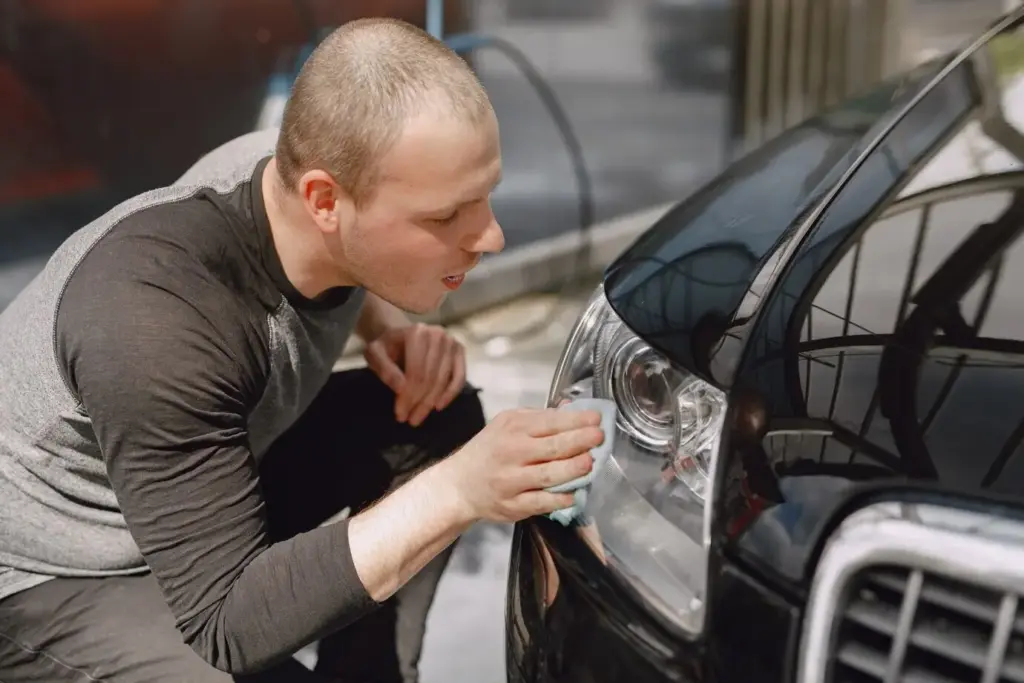
Clean lenses, replace weak bulbs or dim LEDs, and protect connectors with dielectric grease. Route harnesses away from sharp edges and secure with proper clips. Carry reflective triangles, a bright vest, and a compact, well‑charged flashlight. When communication remains clear at dusk, in rain, or through construction zones, fellow drivers give space, and your tiny home glides through chaos with visibility that turns hazards into manageable moments.
Shell, Roof, and Windows Against the Elements
The exterior is your weather armor and rolling billboard to the world. Sun scours sealants, rain probes weak seams, and highway spray drives grit everywhere. With patient upkeep, you keep water outside, drafts at bay, and interiors quiet. Protect the shell and the house stays bright, snug, and proud through countless horizons, welcoming you home at day’s end with dry floors, silent corners, and sparkling morning light.
Roof Seams, Penetrations, and Protective Coatings
Inspect skylights, vents, and panel mounts after storms or washboard stretches. Clean gently, then re‑seal with compatible products, tracking cure times and temperatures. Consider reflective coatings for UV defense and cooler interiors. Photograph everything for future comparison. Up high is where tiny leaks often begin; regular attention here keeps ceilings unblemished, insulation dry, and your confidence unshaken when thunderheads gather over desert mesas and prairie miles.
Siding, Underbelly, and Road Grime Defense
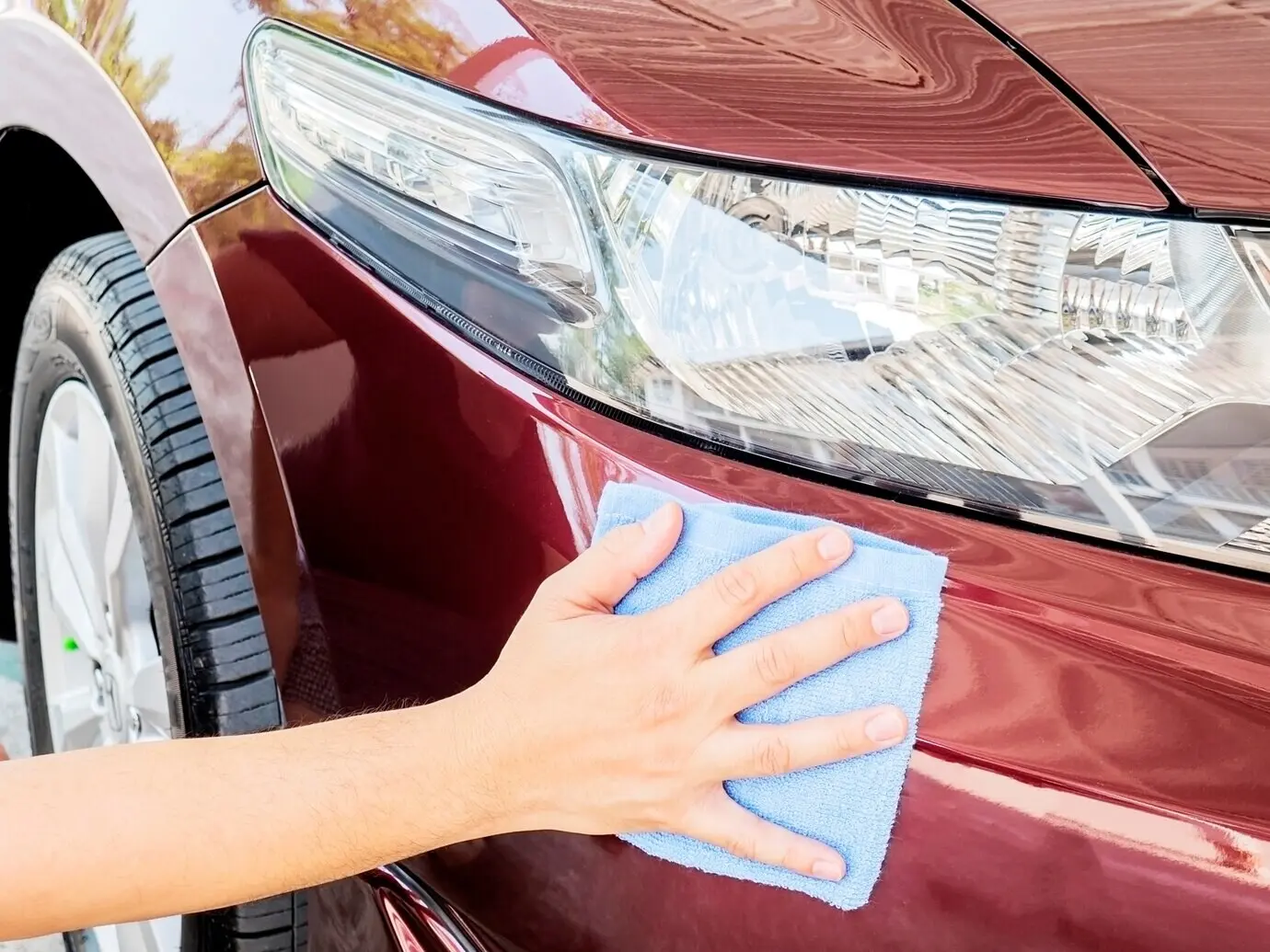
Wash away corrosive film with mild soaps, then renew waxes or ceramic layers to repel dirt and sun. Inspect trim gaps and corner mouldings; replace fatigued fasteners with stainless or coated equivalents. Underneath, patch belly pans, protect wiring looms, and touch up frame paint. These efforts shield structure and systems from abrasion and rust, preserving value and keeping your rolling home looking cared for rather than perpetually chased by dust.
Windows, Doors, and Weatherstripping Longevity
Clean tracks, lubricate latches, and replace shrunken seals so drafts stay out and AC stays in. Adjust hinges for even reveals, and verify weep holes remain open after storms. Consider interior storm panels in cold snaps. When openings operate smoothly and seal reliably, road noise recedes, energy use drops, and rainy nights become soothing instead of stressful, leaving you freer to read, cook, or plan tomorrow’s winding route.
All Rights Reserved.